


The Lemurians: A New Testament for the Soul
Updated: Jan 24
A Living, Serialized Novel
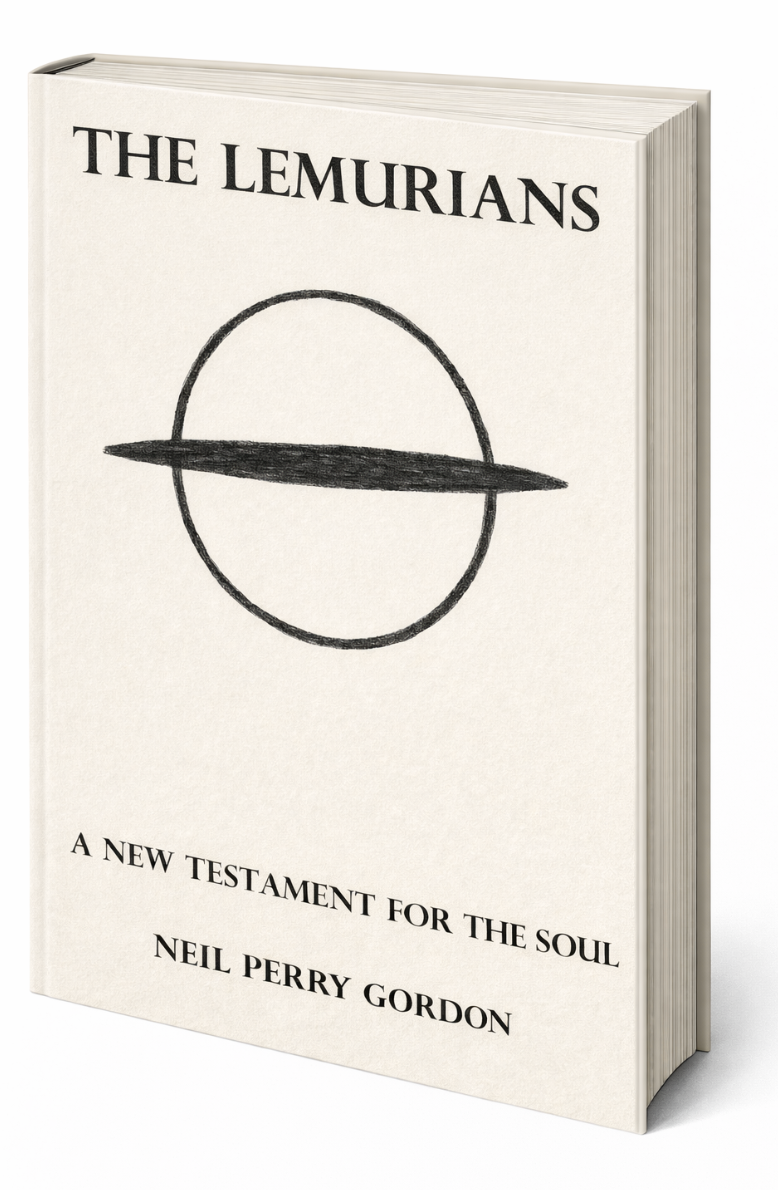
The Lemurians: A New Testament for the Soul is not released all at once. It unfolds—chapter by chapter—in real time. This page serves as the home base for the novel: a place for new readers to begin and for returning readers to find the latest chapter drops as the story continues to unfold.
At its heart, The Lemurians is a work of metaphysical fiction that asks a radical question:
What if humanity did not begin in ignorance—but in remembrance?
What Is a Serialized Novel?
A serialized novel is a story published in parts over time rather than as a single, finished volume. Each chapter is released on a regular schedule, allowing readers to follow the story as it develops—often while the author is still discovering where it leads.
This form has deep roots. In the 19th century, writers like Charles Dickens released their novels in installments, with readers eagerly awaiting each new chapter in newspapers and journals. Serialization created a living relationship between writer, story, and audience—one shaped by anticipation, reflection, and conversation.
The Lemurians returns to that tradition, but with a modern twist. It is published as a digital serial, inviting readers not just to consume a finished product, but to witness a story coming into being.
Why Serialize The Lemurians?
This story resists closure. It isn’t written from a place of complete certainty, but from listening.
By releasing the novel as a serial, the writing remains responsive to its own inner logic, emerging themes, and the questions readers bring to the text. Each chapter stands on its own, yet also reshapes the meaning of what came before.
In this way, The Lemurians mirrors its central idea:
That memory returns in layers, not all at once.
The World of the Story
The novel opens in the present day, with the discovery of an anomalous interstellar object—3I/ATLAS—moving through our solar system. Scientists call it an anomaly. Others sense something more.
Through the eyes of Nathan Adler, a writer drawn into the mystery, and Leena Ruben, a neuroscientist studying unexplained resonant frequencies, the story unfolds across multiple layers of reality: scientific, historical, and spiritual.
At the center lies Lemuria—not merely as a lost continent or myth, but as a state of early human consciousness. Drawing inspiration from esoteric traditions, including the work of Rudolf Steiner, the novel imagines Lemuria as humanity’s first awakening: a time when thought, sound, and meaning were unified; when consciousness moved through resonance rather than language.
According to the story, Lemuria did not fall through sin or failure, but through forgetting. And now, as the interstellar visitor approaches, something long dormant begins to stir again.
Themes You’ll Encounter
Reincarnation as apprenticeship, not punishment
Earth as the cradle of consciousness, the first classroom of the soul
Science and mysticism as complementary ways of seeing
Resonance as a forgotten human language
The idea that humanity’s future may depend not on progress, but on remembrance
This is not a story about salvation or apocalypse. It is a story about awakening without erasing individuality, and about learning how to remember without turning memory into power.
How to Read Along
New chapters are released each Sunday at 4:44 AM.
This page will always point you to the latest published chapter.
An Invitation
The Lemurians: A New Testament for the Soul is not offered as doctrine, prophecy, or belief. It is offered as a story that listens.
If you’ve ever felt that history is incomplete, that consciousness is older than language, or that something in you recognizes truths you were never taught—this story is for you.
You are welcome to read quietly.
You are welcome to question.
You are welcome to remember.


Comments